Mass Effect Legendary System Requirements & PC Benchmark
// SYSTEM DATA ANALYSIS //
> MINIMUM REQ.
CPU: Intel Core i5 3570
GPU: NVIDIA GTX 760
RAM: 8
> RECOMMENDED
CPU: Intel Core i7 7700
GPU: NVIDIA GTX 1070
RAM: 16
// PROFESSIONAL_ANALYSIS //
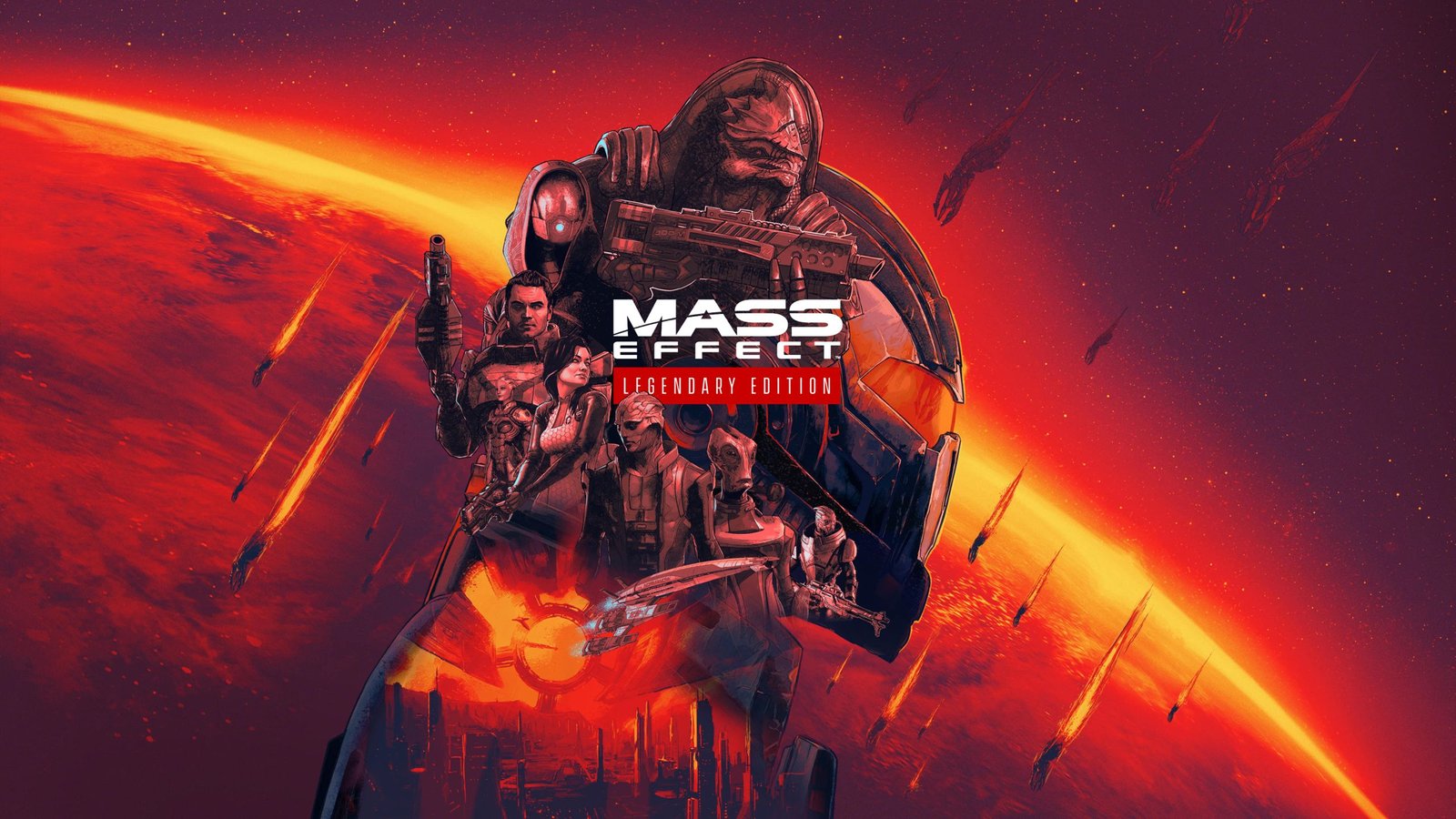
Mass Effect Legendary Edition revitalizes BioWare’s iconic sci-fi RPG trilogy, bundling Mass Effect 1, 2, and 3 alongside over 40 single-player DLC packs into a unified cinematic experience. Re-engineered on a heavily modified Unreal Engine 3 pipeline, the collection features overhauled 4K textures, modern ambient occlusion, updated character models, and decoupled high-refresh physics. Before taking command of the Normandy, benchmark your hardware across our full library of performance profiles on PCRunIt PC games.
Mass Effect Legendary Edition System Requirements Breakdown
The minimum system requirements demand an Intel Core i5 3570 or AMD FX-8350 processor, an NVIDIA GeForce GTX 760 (2 GB VRAM) or AMD Radeon 7970 / R9 280X (3 GB VRAM), and 8 GB of RAM. This specification delivers a reliable 1080p 30 to 45 FPS baseline across Mass Effect 1’s remastered planetary exploration sequences.
To experience the entire trilogy at 1080p 60+ FPS on maximum presets, the recommended specifications recommend an Intel Core i7 7700 or AMD Ryzen 7 3700X, an NVIDIA GeForce GTX 1070 (8 GB VRAM) or AMD Radeon RX Vega 56, and 16 GB of dual-channel system memory. Storage is substantial: the remastered trilogy requires a massive 120 GB of storage space to house uncompressed 4K cinematics, high-resolution texture packs, and expanded multi-language audio files. Installing on an SSD is vital to ensure rapid elevator and mass relay transit loading.
Hardware Bottlenecks & Engine Scaling
While Unreal Engine 3 was originally engineered during the DirectX 9 era, BioWare’s remaster completely modernizes the rendering pipeline with a 64-bit executable, DirectX 11 support, and decoupled physics. In the original releases, running above 60 FPS resulted in physics glitches and erratic biotic ability trajectories, but the Legendary Edition natively supports ultra-high refresh rates up to 240 FPS.
Because the underlying engine architecture remains highly optimized for quad-core systems, CPU bottlenecks are exceptionally rare on modern processors. The primary performance factor is GPU pixel fillrate at resolutions like 1440p and 4K, where rendering remastered volumetric smoke, dynamic lighting in Citadel clubs, and enhanced depth of field demands consistent memory bandwidth. This fluid performance scaling matches the high-framerate sci-fi combat of titles like Halo Infinite and expansive narrative worlds like The Elder Scrolls Online.
FPS Optimization Tips / Best Settings
- Install on a Solid State Drive: Given the 120 GB footprint, an SSD eliminates texture streaming hitches during rapid combat transitions and cutscene handoffs.
- Adjust Ambient Occlusion: In visually dense hubs like the Citadel, lowering Ambient Occlusion from High to Medium recovers 8 to 12 FPS on mainstream graphics cards.
- Cap Frame Rates to Display Refresh: Locking your frame rate to 120, 144, or 165 Hz prevents erratic GPU power spikes while maintaining flawless biotic projectile physics.
- Disable Dynamic Shadows in Dense Hubs: Lowering Dynamic Shadows slightly relieves lighting draw calls in Mass Effect 1’s redesigned Eden Prime and Feros colonies.
- Keep Dual-Channel Memory Enabled: Dual-channel 16 GB RAM ensures rapid texture handoffs between system memory and VRAM during intense squad firefights.
Frequently Asked Questions
Can Mass Effect Legendary Edition run at 120 FPS or higher?
Yes. Unlike the original games which were hard-locked to 60 FPS for physics stability, the Legendary Edition natively supports frame rates up to 240 FPS without physics glitches.
Is an SSD required for the 120 GB installation?
While mechanical HDDs can run the game, an SSD is strongly recommended to eliminate texture streaming delays and dramatically accelerate elevator and transit loading times.
Does the collection support modern upscalers like DLSS or FSR?
Mass Effect Legendary Edition does not feature native DLSS, AMD FSR, or Ray Tracing support, relying on robust native rasterization and built-in anti-aliasing techniques.