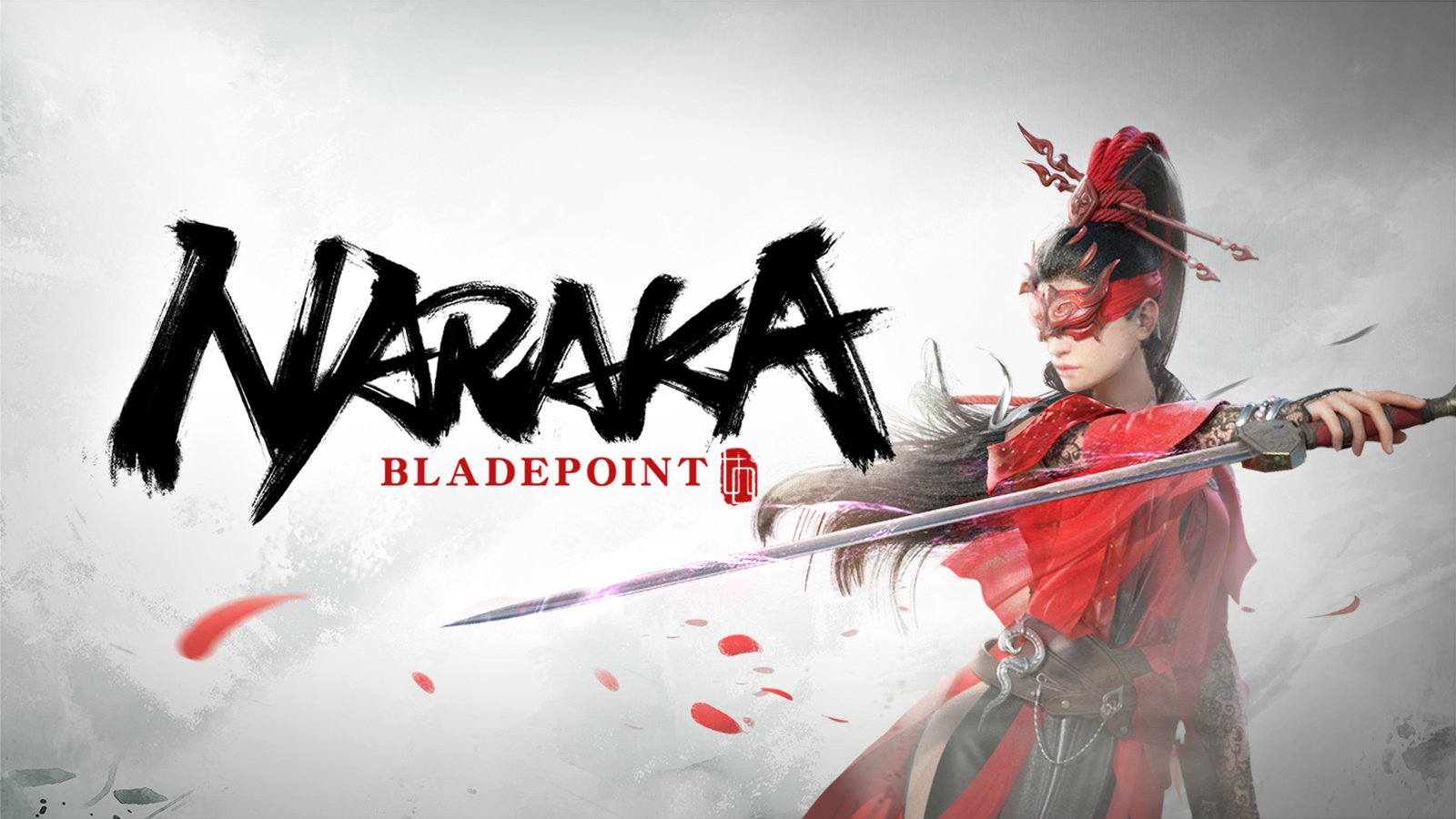
NARAKA BLADEPOINT System Requirements & PC Benchmark
// SYSTEM DATA ANALYSIS //
> MINIMUM REQ.
CPU: Intel i5 4th Gen
GPU: GTX 750TI
RAM: 8
> RECOMMENDED
CPU: Intel i7 7th Gen
GPU: GTX 1060
RAM: 16
// PROFESSIONAL_ANALYSIS //
NARAKA: BLADEPOINT is a fast-paced 60-player melee battle royale developed by 24 Entertainment and built on a customized branch of the Unity engine. Combining vertical parkour mobility, grappling hook mechanics, and martial arts combat, the title introduces unique hardware demands compared to traditional ranged shooters. Achieving consistent frame rates and low input latency is critical during chaotic multi-team skirmishes on Morus Isle. Before dropping into the arena, benchmark your current setup against our comprehensive catalog of performance profiles on PCRunIt PC games.
NARAKA: BLADEPOINT System Requirements Breakdown
The official minimum hardware requirements establish a baseline targeting 720p or 1080p at low settings with competitive framerates around 30 to 45 FPS. The game lists an Intel Core i5 4th Generation processor paired with an NVIDIA GeForce GTX 750 Ti (2 GB VRAM) and 8 GB of system RAM. While sufficient to boot the client, modern seasonal patches make this configuration vulnerable to severe stuttering during particle-heavy engagements.
For an optimal 1080p experience at 60 FPS on High settings, the developers recommend an Intel Core i7 7th Generation CPU, an NVIDIA GeForce GTX 1060 (6 GB VRAM) or AMD Radeon RX 580, and 16 GB of dual-channel RAM. Storage is particularly critical: installing the 30 GB footprint on a high-speed Solid State Drive (SSD) is an official requirement to eliminate mid-match asset streaming freezes and hitching when entering densely populated combat zones.
Hardware Bottlenecks & Unity Engine Scaling
NARAKA: BLADEPOINT relies on a heavily modified Unity pipeline featuring customized compute shaders and complex melee physics calculations. Because 60 players actively utilize grapple physics, particle-dense abilities, and real-time counter-attack timing simultaneously, performance is frequently CPU-bound rather than GPU-limited on mainstream systems.
Single-core CPU clock speed directly impacts combat consistency: when several teams clash with overlapping ultimate abilities, draw calls increase rapidly, creating noticeable drops in 1% low frame rates. On the graphics side, 6 GB of VRAM is sufficient for standard 1080p and 1440p textures, while 4K resolution can push memory limits and introduce micro-stuttering without active upscaling. Native support for NVIDIA DLSS, AMD FSR, and Frame Generation allows compatible graphics cards to offload rasterization pressure, similar to the hardware scaling observed in high-mobility arena titles like Apex Legends and mythology-inspired action games like Black Myth: Wukong.
FPS Optimization Tips / Best Competitive Settings
- Install on an SSD: Storing the game files on an SSD is essential to eliminate texture pop-in and combat stutters caused by real-time asset decompression.
- Enable DLSS or FSR: Set upscaling to ‘Quality’ or ‘Balanced’ mode to reduce rendering overhead while maintaining sharp visual clarity for parry timings.
- Lower Volumetric Lighting and Shadows: Drop Volumetric Clouds and Shadows to Medium or Low to recover significant GPU headroom in open areas.
- Maintain 16 GB Dual-Channel RAM: Single-channel memory can degrade frame pacing during crowded 60-player endgame circles.
- Cap Frame Rates to Display Refresh: Locking framerates slightly below your monitor limit reduces thermal spikes and stabilizes input latency.
Frequently Asked Questions
Can NARAKA: BLADEPOINT run smoothly on 8 GB of RAM?
While 8 GB meets the bare minimum specification, the operating system and Unity background processes frequently cause memory caching pressure. Upgrading to 16 GB in dual-channel configuration is strongly advised to prevent mid-combat frame drops.
Why is an SSD strongly recommended for NARAKA: BLADEPOINT?
The game streams character models, weapon skins, and Souljades dynamically during matches. Mechanical hard drives (HDDs) struggle with these continuous read operations, leading to severe visual hitches and delayed player rendering.
Does NARAKA: BLADEPOINT support Ray Tracing and Frame Generation?
The game does not feature native Ray Tracing effects. However, it fully supports modern temporal upscalers including NVIDIA DLSS, AMD FSR, and Frame Generation on compatible graphics hardware to maximize frame rates on high refresh displays.